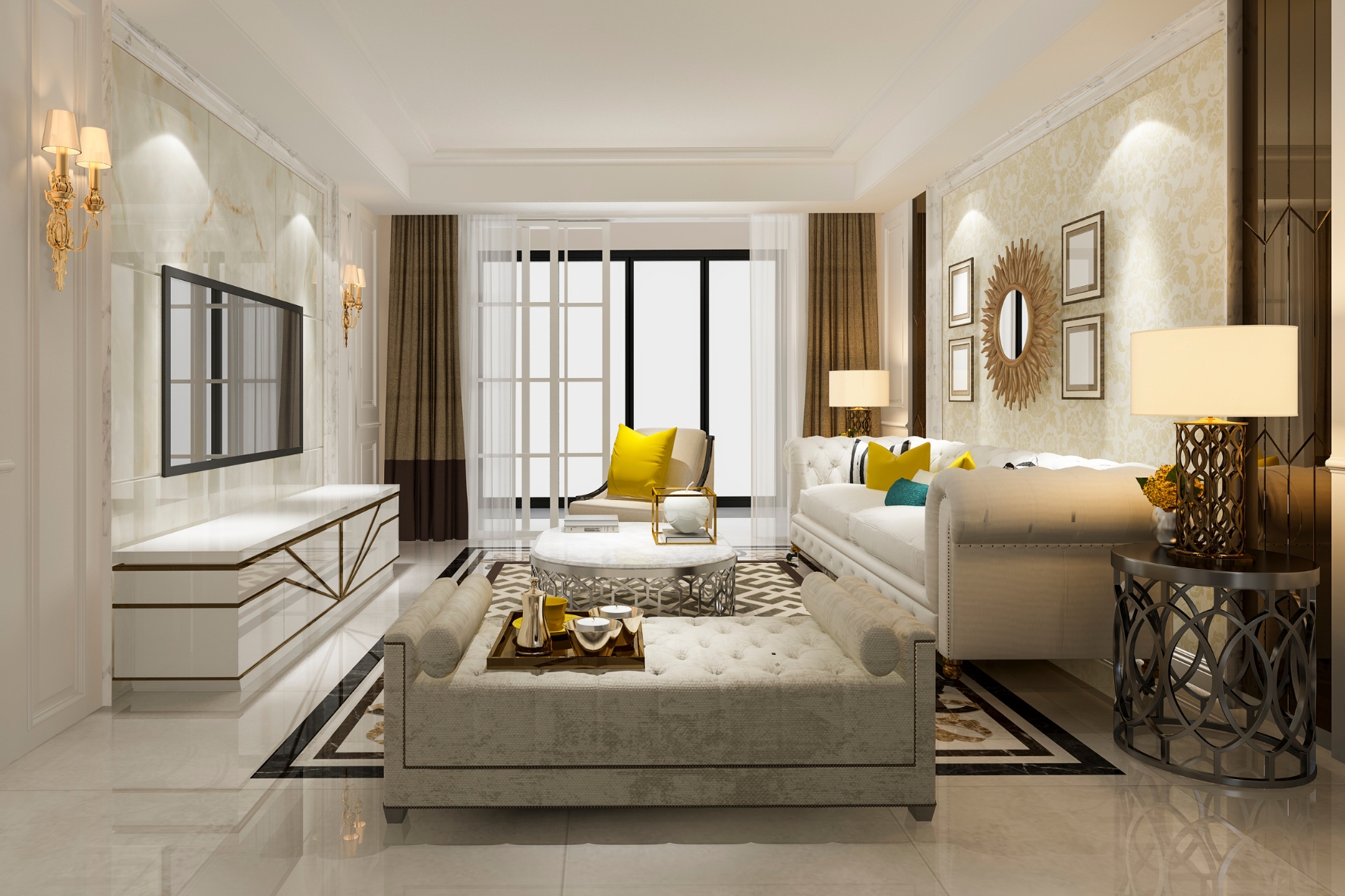
Investing in high-end real estate means choosing a solid asset, capable of combining stability, value and growth. Even in uncertain periods, these properties maintain consistent appeal. Beyond the financial dimension, they offer superior living quality, outstanding services and a strong connection to the local area. Returns derive both from long-term appreciation and from rentals—traditional or short-term—enhanced by features that increase attractiveness and competitiveness.
Key characteristics of a luxury property
Location is decisive: privileged views, historic districts, exclusive settings and access to premium services are key value drivers. Added to this are superior finishes, including high-quality materials, artisanal details, signature design and advanced technologies for acoustic comfort and energy efficiency. Completing the picture are exclusive services such as 24/7 security, spa, swimming pool, gym, landscaped gardens, concierge and advanced home automation, now standard within the segment.
International demand and limited supply
The luxury segment is influenced by global demand: high-net-worth buyers seek stability, favorable climate, culture and quality of life. In many Italian and European areas, supply remains limited, supporting values and accelerating sales. Property selection and buyer competition—especially in iconic locations—push prices upward and reinforce the counter-cyclical nature of the market.
Experiential investments
Luxury goes beyond the concept of “home” to become an experience. Wellness villas, exclusive resorts and converted historic residences offer tailor-made stays that combine comfort, privacy and personalized services. For investors, this translates into higher yields and more stable occupancy, particularly in international tourist markets where the search for authenticity is growing.
Selecting the property: focus on location
Choosing the right asset requires in-depth analysis of the area’s prospects: transport links, international schools, premium services and urban development plans that may support value appreciation. Orientation, views, proximity to the sea or mountains and landscape quality also matter, as they significantly impact long-term performance.
Budgeting and planning
Beyond the purchase price, investors should consider taxes, municipal charges, maintenance, potential renovations, bespoke furnishings and ongoing management. In the case of rentals, periods of vacancy and cash flow must also be factored in. Careful planning helps assess financing options or external capital, taking into account interest rates, exchange rates and investment horizon.
Professionals and specialized agencies
Complex transactions require expertise. Luxury-focused real estate agencies provide access to off-market properties and support valuation, marketing and negotiation. Architects, tax and legal advisors, interior designers and property managers help mitigate risks and maximize long-term value.
Tax and legal aspects
Luxury properties may be subject to specific tax regimes, including acquisition taxes, property taxes, registration tax and, where applicable, VAT. It is essential to verify ownership titles and contracts, as well as any urban planning or landscape restrictions. Compliance with seismic, energy efficiency and heritage protection regulations is a key step before purchase.
Attracting high-end buyers and guests
Understanding the target audience is crucial: entrepreneurs, executives and international clients demand privacy, security and bespoke services. Promotion relies on high-quality imagery, video tours, branding and global distribution channels. For short-term rentals, service quality makes the difference—concierge, private chefs and personalized attention create memorable experiences.
Emerging trends
Luxury real estate is evolving towards responsibility and innovation: sustainable homes with energy certifications, water-saving systems and smart technologies for remote management. Flexible spaces for work and wellbeing are increasingly in demand, alongside gardens, terraces and wellness areas. Air quality, natural materials and integration with the surrounding environment define the new standards.
Source: www.immobiliare.it